A Masai Mara safari invoice often carries more fee lines than travelers expect. There is a park entry charge, a vehicle charge, sometimes a conservancy fee, and occasionally a separate line for the driver-guide. Many first-time visitors assume their guide pays the same non-resident rate they do. That assumption is wrong, and it is the most common billing confusion Touring Insights hears about from readers planning a Mara trip.
This guide breaks down the masai mara reserve entry fee practice in plain terms: what the visitor pays, what the vehicle pays, and what the guide pays. It uses real gate names and named management authorities, with indicative fee ranges you can check your own quote against.
Who Actually Manages the Masai Mara Reserve
The Masai Mara National Reserve covers about 1,510 km², but it is not run by one single body. Narok County Government manages the main Reserve, on the eastern and southern side of the Mara River. The western strip, known as the Mara Triangle, is managed separately by the Mara Conservancy on behalf of the Trans Mara County Government.
These two authorities gazette their own fee schedules and run separate payment systems. That single fact explains most of the confusion travelers report. A receipt from Sekenani Gate on the main Reserve side can look nothing like a receipt from Purungat Gate on the Mara Triangle side. This holds true even for the same visitor category on the same day.
Masai Mara Entry Fees at a Glance
Rates below are indicative, drawn from typical published ranges. Confirm exact current fees with your operator or the relevant county authority before you travel; gazetted rates change periodically.
| Traveler or Vehicle Category | Main Reserve (Narok County), indicative | Mara Triangle (Mara Conservancy), indicative |
|---|---|---|
| Non-resident adult (per 24 hrs) | $80-100 | $70-90 |
| Non-resident child (3-17 yrs) | $40-50 | $35-45 |
| East African Community resident adult | KES 1,500-2,500 | KES 1,500-2,500 |
| Kenyan citizen or resident adult | KES 1,000-1,500 | KES 1,000-1,500 |
| Kenyan citizen or resident child | KES 500-800 | KES 500-800 |
| Kenya-registered vehicle (up to 6 seats) | KES 300-1,000 | KES 300-1,000 |
| Foreign-registered or self-drive vehicle | $30-50 | $30-50 |
What Your Guide Actually Pays
This is the core of the confusion. Most Masai Mara driver-guides are Kenyan citizens holding a Kenya Professional Safari Guides Association (KPSGA) badge. As citizens, they pay the citizen personal entry rate, not the non-resident tourist rate. On some gazetted schedules a badged guide on duty pays a nominal fee or none at all, separate from what their guests pay.
The vehicle itself is billed on top of that, as its own line, regardless of who owns it or who is driving. A single safari vehicle passing through a gate can generate three separate charges. There is the non-resident fee for each tourist on board, the much smaller citizen fee for the guide, and one vehicle fee for the car itself.
Tour operators usually fold all three into a single “park fees” total on your quote. That bundling is convenient, but it is also why travelers assume the guide’s fee equals their own. It rarely does. If your operator itemizes the quote, you should see the guide and vehicle charges listed well below the per-person non-resident rate, not matching it.
Reserve Fees Versus Conservancy Fees
Private conservancies bordering the Reserve, such as Mara North, Naboisho, and Olare Motorogi, run a completely different system. Instead of a gate fee, they charge a nightly conservation fee that camps fold into the room rate. This funds lower bed density and community land-lease payments to Maasai landowners, not park entry.
A guest staying at a conservancy camp and taking a day trip into the main Reserve pays both. The conservancy fee comes through their nightly rate, and the Reserve gate fee is charged at Talek or Oloolaimutia Gate for that day’s crossing. Confusing the two is the second most common billing mix-up after the guide fee question.
Conservancy fees also work differently in one more way worth knowing. They are usually charged per person per night, not per 24-hour entry like the Reserve gate fee. A three-night stay at a Naboisho Conservancy camp bills three nights of conservation fee regardless of how many game drives you take. On top of that, a three-day trip dipping into the main Reserve each morning can bill three separate gate entries, one for each fresh crossing.
Where and How Fees Are Paid
Main Reserve gates include Sekenani, Talek, Oloolaimutia, Musiara, and Sand River. Mara Triangle gates include Purungat and Oloololo. Most gates on both sides have moved toward cashless payment, using prepaid smart cards or mobile money rather than cash at the barrier. Tour operators typically prepay these fees before your trip starts, folding them into the total safari cost you already paid.
If you are self-driving or booking a guide independently, confirm in advance whether you need to load a prepaid card or whether the gate accepts mobile money on the spot. Carrying large amounts of cash for gate fees is rarely necessary and not always accepted.
Common Billing Mistakes to Watch For
A few patterns repeat across traveler questions. Some assume the guide’s fee equals their own non-resident rate; it almost never does, for the reasons above. Others assume a conservancy fee already covers Reserve entry, when the two systems are separate and both apply on a Reserve day trip. Multi-day itineraries sometimes carry a fee for every fresh 24-hour entry, not one flat charge for the whole stay. A trip that exits and re-enters the Reserve can accumulate more than one day’s fee, even within a single visit.
A less obvious mistake involves group size on the vehicle fee line. Some travelers expect the vehicle fee to scale with passenger count, since the per-person fee does. It does not. One safari vehicle pays one vehicle fee, whether it carries two guests or six. That is one reason small-group and private vehicle bookings often carry a higher per-person park fee share than a full shared vehicle. Ask your operator whether your quoted park fee assumes a shared or private vehicle before comparing prices between companies. That single variable can shift the per-person total by a noticeable margin.
Masai Mara Gates and Access Points
| Gate | Managing Authority | Nearby Airstrip | Approx. Drive from Nairobi |
|---|---|---|---|
| Sekenani Gate | Narok County (Main Reserve) | Keekorok | ~270 km, 5-6 hrs |
| Talek Gate | Narok County (Main Reserve) | Ol Kiombo | ~280 km, 6 hrs |
| Oloolaimutia Gate | Narok County (Main Reserve) | Keekorok | ~275 km, 5-6 hrs |
| Musiara Gate | Narok County (Main Reserve, north) | Musiara | ~290 km, 6 hrs |
| Sand River Gate | Narok County (Main Reserve, south) | Sand River | ~300 km, 6-7 hrs |
| Purungat Gate | Mara Conservancy (Mara Triangle) | Mara Serena | ~280 km, 6 hrs |
| Oloololo Gate | Mara Conservancy (Mara Triangle) | Kichwa Tembo | ~285 km, 6 hrs |
Explorer Notes
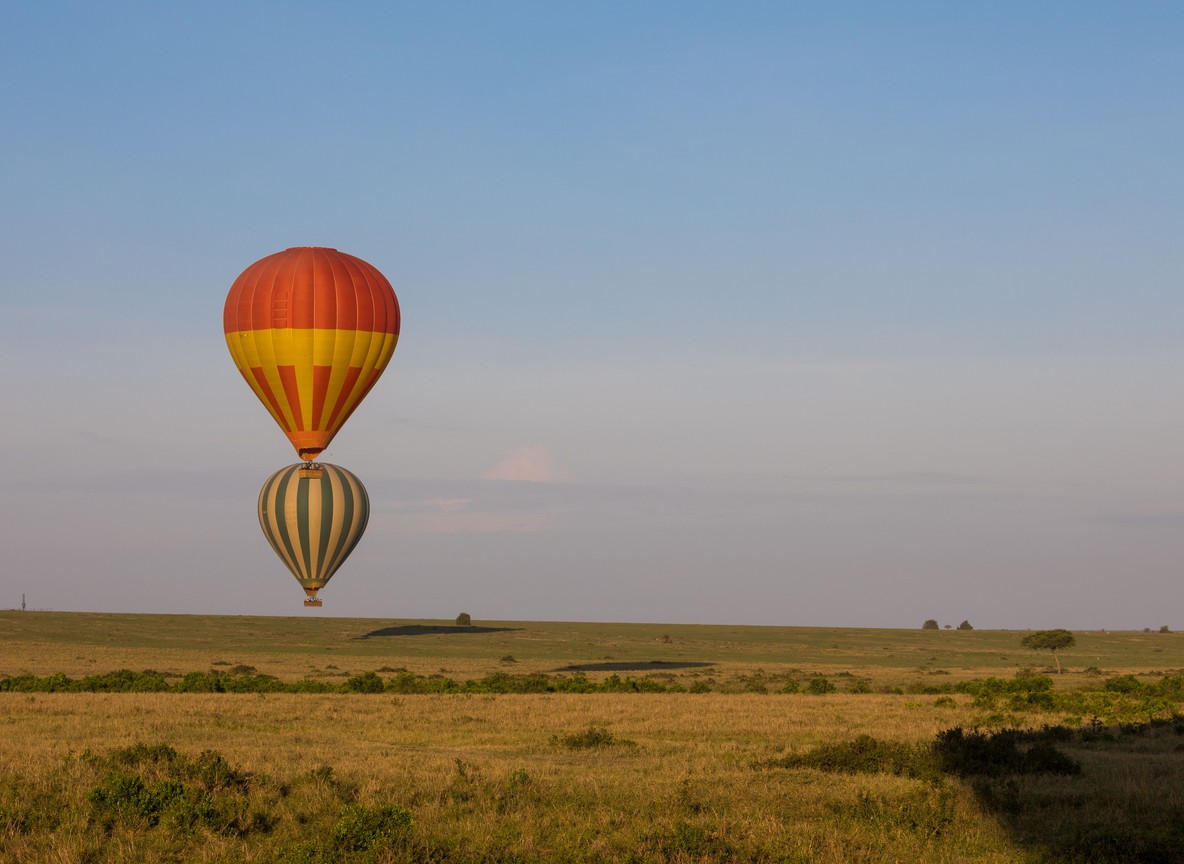
Ask your operator for an itemized fee breakdown before you pay a deposit, not after. A quote that just says “park fees included” tells you nothing about whether the guide and vehicle charges are handled correctly. Balloon safaris carry a separate landing fee billed by the balloon operator directly, on top of the Reserve gate fee you already paid to enter that day. If your itinerary crosses between the main Reserve and the Mara Triangle on the same trip, expect two separate receipts, since the two authorities do not share a payment system. Keep any paper receipt or card confirmation until you exit; gate staff on both sides do spot checks.
What to Read Next
- Weighing a guided trip against driving yourself? See our self-drive versus guided Masai Mara guide.
- Planning how to carry cash for the rest of your trip? Read our Kenya safari money guide.
- For a deeper breakdown of current gazetted rates, see Masai Mara park fees 2026.
FAQ
Does my guide pay the same Masai Mara entry fee as me? No. Most guides are Kenyan citizens and pay the much lower citizen personal rate, separate from the non-resident tourist fee and the vehicle fee.
Are conservancy fees the same as Masai Mara Reserve fees? No. Conservancies like Mara North and Naboisho charge a nightly conservation fee through the camp rate. The Reserve charges a separate gate fee for entry, billed per 24-hour period.
Can I pay Masai Mara entry fees in cash? Rarely. Most gates on both the main Reserve and Mara Triangle sides now favor cashless payment through prepaid cards or mobile money. Operators usually prepay before your trip.
Why does my safari quote show park fees as one lump sum? Operators typically bundle the visitor fee, guide fee, and vehicle fee into a single line for simplicity. Ask for an itemized breakdown if you want to see each charge separately.
Is the entry fee the same for the main Reserve and the Mara Triangle? No. Narok County and the Mara Conservancy gazette separate rates and run separate payment systems, even though both sides sit within the same Masai Mara National Reserve.
Further reading
More safari planning resources
- Interactive Maasai Mara map from Valley Safaris
- Maasai Mara National Reserve guide on Touring Insights
- Masai Mara destination guide on FindMySafari
- Kenya national parks map from Valley Safaris
Ready to plan a Mara trip with the fee math already sorted? Visit our Tour Packages page to compare camps on either side of the river, or check with a partner operator directly for a current, itemized quote.
Related guides: Masai Mara Gates: All 6 Entry Points Compared.